_edited.png)
Effective Techniques for Compressing Your Golf Ball for Maximum Distance
- Darren Hyland

- Mar 23
- 3 min read
Golfers often look for ways to increase their driving distance, and one key factor is how well you compress the golf ball at impact. Compressing the ball properly can lead to higher ball speed, better control, and longer shots. This post explores practical techniques to help you compress the golf ball effectively and add yards to your game.
Understanding Golf Ball Compression
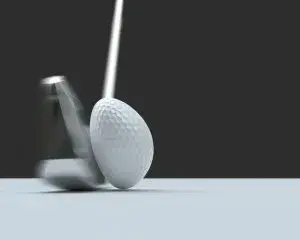
Compression in golf refers to how much the ball deforms when struck by the clubface. When you hit the ball with the right force and technique, it compresses against the clubface, storing energy that releases as the ball flies. Proper compression maximizes energy transfer, resulting in faster ball speed and longer distance.
Golf balls come with different compression ratings, usually ranging from 60 to 110. Lower compression balls are softer and easier to compress, ideal for slower swing speeds. Higher compression balls suit faster swings but require solid contact to compress properly.
How Your Swing Affects Compression
Your swing mechanics play a crucial role in compressing the ball. Here are some key factors:
Clubhead Speed: Faster clubhead speed generates more force, increasing compression. Work on building a smooth, powerful swing to boost speed.
Angle of Attack: Hitting slightly down on the ball with a driver or iron helps compress it better. This downward strike creates a better launch and spin.
Center Contact: Striking the ball in the center of the clubface ensures maximum energy transfer. Off-center hits reduce compression and distance.
Techniques to Improve Ball Compression
1. Position the Ball Correctly
Ball position influences how you compress it. For drivers, place the ball just inside your front heel to encourage an upward strike with some compression. For irons, position the ball more toward the center of your stance to hit down on it.
2. Maintain a Steady Lower Body
A stable lower body helps generate power and control. Avoid excessive lateral movement during your swing. Instead, focus on rotating your hips and transferring weight smoothly from your back foot to your front foot.
3. Use Your Hands and Wrists Effectively
Strong hand and wrist action at impact can increase compression. Try to maintain a firm but relaxed grip and allow your wrists to release naturally through the ball. This helps create a whipping action that compresses the ball.
4. Keep Your Head Still
Moving your head too much during the swing can cause inconsistent contact. Keep your eyes on the ball and your head steady to ensure you strike the ball cleanly and compress it fully.
5. Practice with Impact Tape or Markers
Using impact tape on your clubface or spraying it with a powder spray can show exactly where you hit the ball. This feedback helps you adjust your swing to hit the center and compress the ball better.
Equipment Considerations for Better Compression
Choose the Right Golf Ball
Select a ball that matches your swing speed and style. Players with slower swings benefit from softer, lower compression balls that compress easily. Faster swingers should use firmer balls to maximize energy transfer.
Use Clubs with the Right Loft and Shaft
Clubs with appropriate loft and shaft flex help you achieve the correct angle of attack and swing speed. Getting fitted by a professional can improve your ability to compress the ball consistently.
Drills to Enhance Compression
Impact Bag Drill
Hit an impact bag to practice compressing the ball with a downward strike. Focus on feeling the clubhead compressing the bag at impact, which simulates ball compression.
Slow Motion Swings
Perform slow-motion swings focusing on wrist release and center contact. This drill builds muscle memory for proper compression mechanics.
Tee Drill
Place a tee in the ground and try to hit it off cleanly without moving it too far. This helps improve precision and compression.
Why Compression Matters Beyond Distance
Compressing the golf ball well not only increases distance but also improves control and shot consistency. Better compression leads to more predictable ball flight and spin rates, helping you shape shots and hit greens more often.
Compressing the golf ball effectively requires a combination of good swing mechanics, proper equipment, and focused practice. By positioning the ball correctly, maintaining a stable lower body, and using your hands and wrists properly, you can generate more ball speed and add valuable yards to your shots. Use drills like the impact bag and slow-motion swings to build the right feel. Remember, the right golf ball and club setup also play a big role in maximizing compression.


Comments